Perché il tuo sistema telematico non dovrebbe fare distinzioni in base alla marca che acquisti
- Noleggio attrezzature
- Efficienza della flotta
- Gestione della flotta
- Movimentazione dei materiali
- Sicurezza e protezione
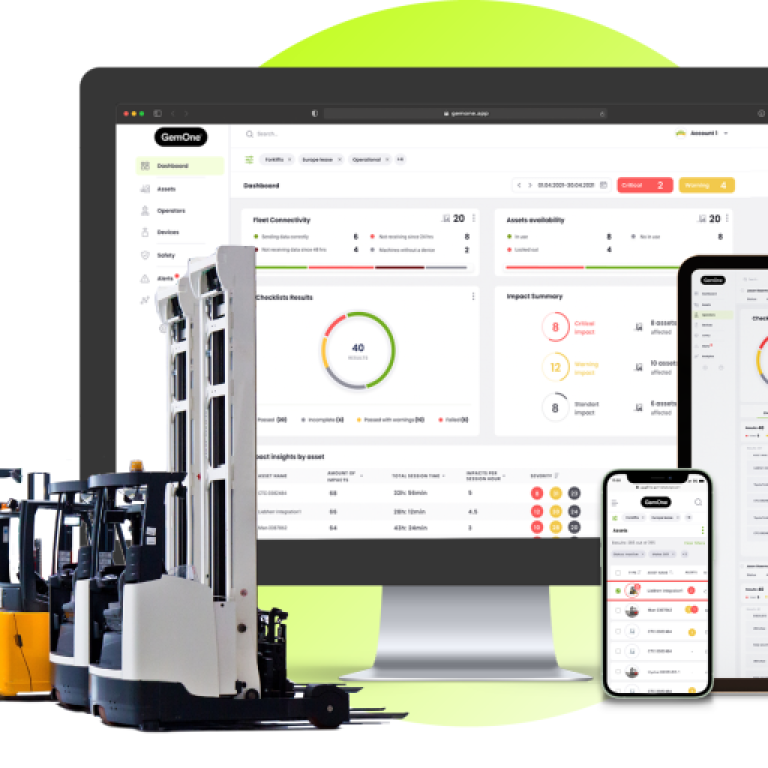
Ogni responsabile di flotta conosce bene questa sensazione: arrivano nuovi mezzi e, con ogni nuovo marchio, si aggiunge un altro pannello di controllo da monitorare, un altro login da ricordare, un altro modo di descrivere lo stesso tipo di informazioni. Alcune flotte si espandono su più sedi. Altre gestiscono una combinazione di diversi tipi di veicoli. Altre ancora si limitano a sostituire i mezzi nel corso degli anni e finiscono per avere più marchi di quanti ne fossero stati previsti. Qualunque sia il motivo, il risultato è sempre lo stesso: i dati sono sparsi in più luoghi di quanto dovrebbero.

La realtà delle flotte miste
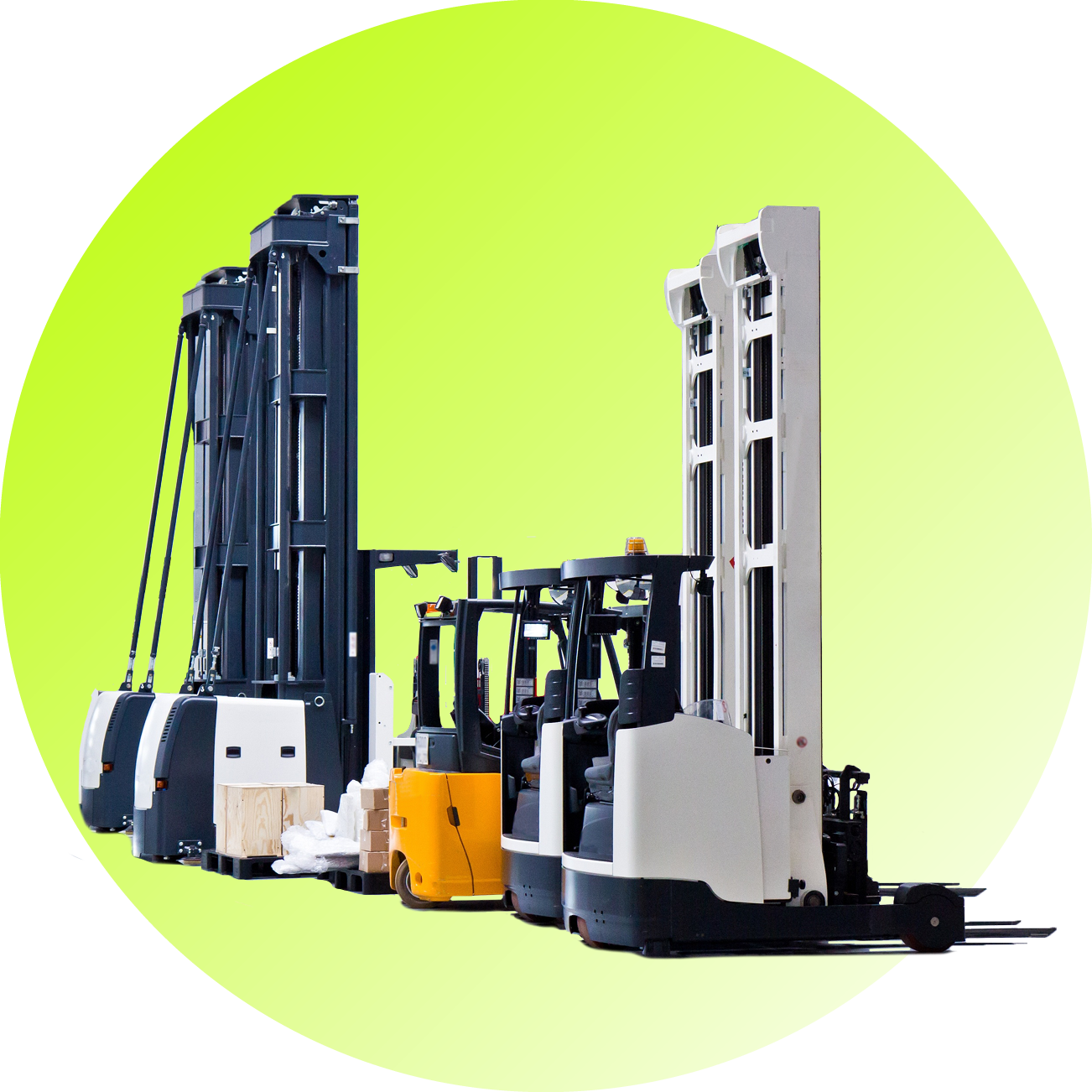
- Immaginate una società di noleggio che nel corso degli anni ha aggiunto alcuni marchi al proprio parco macchine: una piattaforma a forbice qui, un generatore là, ciascuno acquistato perché all’epoca rappresentava la macchina giusta al prezzo giusto.
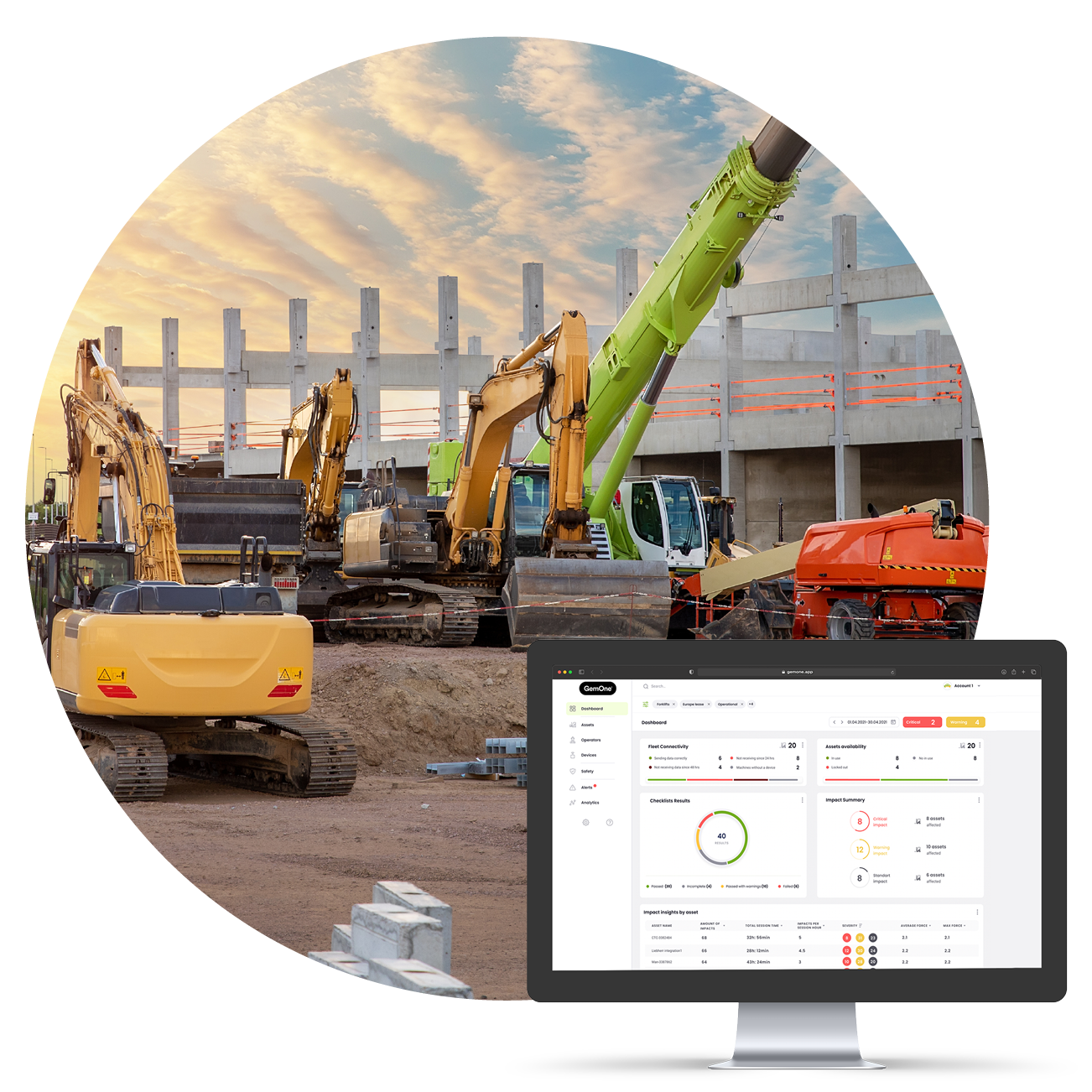
- Immaginate un'impresa edile che gestisce contemporaneamente diversi cantieri, in cui l'escavatore utilizzato in un cantiere è di un produttore diverso rispetto alla pala gommata impiegata in un altro.
- Immaginate un’ operazione logistica che è partita con una sola marca di carrelli elevatori e ne ha aggiunta una seconda, poi una terza, man mano che la flotta cresceva a un ritmo che nessun singolo fornitore riusciva a tenere.
Nessuna di queste aziende aveva intenzione di complicarsi la vita. Hanno preso decisioni di acquisto ragionevoli, una dopo l’altra, e si sono ritrovate con un parco veicoli che parla diverse lingue.
Evitare questo tipo di confusione è proprio lo scopo di una soluzione telematica di terze parti, indipendente dal marchio, : un unico sistema in grado di interpretare tutti quei "dialetti" allo stesso modo, indipendentemente dal costruttore della macchina.
Cosa significa in realtà “agnostico”
- Approfondimento
Una piattaforma “agnostica” non fa distinzioni tra i diversi “dialetti” utilizzati dalle macchine. Legge i dati allo stesso modo indipendentemente dalla marca, quindi la pala gommata, il generatore e il carrello elevatore vengono visualizzati tutti in un unico posto, descritti con gli stessi termini. “Agnostica significa semplicemente che alla piattaforma non interessa di quale marca sia una macchina”, afferma Celine Vannieuwenhuyze, Customer Experience Manager presso GemOne. «Da qualunque fonte provengano i dati, questi finiscono nella stessa dashboard, descritti allo stesso modo.»
Questa è la prima parte del valore aggiunto: l’analisi. GemOne non si lascia influenzare dalle piccole differenze terminologiche tra un portale OEM e l’altro, così un responsabile della flotta legge un unico insieme coerente di dati invece di doverli tradurre tra tre sistemi diversi.
- Libertà di scelta
La seconda parte riguarda la libertà di scelta. Una piattaforma agnostica significa che il prossimo acquisto di apparecchiature potrà essere deciso in base alle prestazioni e al prezzo, indipendentemente dalla marca che in quel momento risulterà la più vantaggiosa.
Gaël Van Kerckhove, responsabile di GemOne per l’area EMEA, mette in relazione questi due aspetti: «La telematica agnostica fornisce dati chiari e comparabili su tutte le marche che gestisci e ti fa risparmiare denaro, lasciandoti libere le mani per ogni acquisto futuro. Se vincoli una flotta all’ecosistema di un’unica marca, ti precludi la possibilità di risparmiare denaro nel momento in cui da qualche altra parte arriverà una macchina migliore».
“La telematica agnostica è il modo in cui GemOne ti fa risparmiare, indipendentemente dalla composizione della tua flotta.”
I macchinari di nuova generazione vengono sempre più spesso forniti con una centralina telematica già integrata dal produttore. Sebbene lo scopo dichiarato sia quello di offrire ai clienti informazioni dettagliate sulle proprie attrezzature, i dati raccolti confluiscono esclusivamente nella piattaforma del produttore stesso. Un responsabile di flotta che intenda acquistare un marchio diverso la prossima volta si trova a dover gestire due piattaforme contemporaneamente anziché una sola, il che scoraggia di fatto il cambio di marca prima ancora che venga preso in considerazione.
«Un dispositivo telematico installato in fabbrica non rappresenta un ostacolo insormontabile per chi desidera mantenere la propria libertà di scelta riguardo all’acquisto di nuovi macchinari», afferma Oswaldo Gomez, esperto tecnico presso GemOne.
“GemOne Cloud può recuperare quei dati tramite un’API. Sebbene il canone di abbonamento alla piattaforma dell’OEM continui a essere addebitato in ogni caso, tale costo garantisce la libertà di scegliere qualsiasi marca al momento del prossimo acquisto di attrezzature, indipendentemente dal fatto che la nuova macchina sia dotata o meno di hardware compatibile con CAN, senza dover distogliere un tecnico da altre mansioni per sostituire un sistema telematico con un altro.»
La libertà di scelta merita di essere tutelata
Il mercato dei veicoli fuoristrada è in evoluzione già da tempo, e l’industria automobilistica mostra dove può portare questo tipo di cambiamento. Tesla ha fatto irruzione in un mercato fondato su decenni di tradizione nella costruzione di motori senza possedere alcuna di queste competenze. BYD, un produttore di batterie senza alcuna esperienza nella costruzione di automobili, ha fatto lo stesso e ora sta entrando a sua volta nel settore dei veicoli fuoristrada. Una flotta costruita sulla base della libertà di scelta è pronta per questo tipo di cambiamento. Una flotta basata sul cruscotto di un unico marchio si rende conto troppo tardi che non era così.
Utilizzi attrezzature di più produttori?



