Telematiklösungen für Industrieflotten: 8 Dinge, die Sie wissen sollten
- Flotteneffizienz
- Flottenmanagement
- Materialtransport
- Sicherheit und Schutz
Als neue Technologie werfen Telematiklösungen viele Fragen bei Unternehmern und Flottenmanagern auf. Telematiklösungen nutzen Technologie, um Erkenntnisse über Ihre Maschinen, Fahrzeuge und Werkzeuge zu sammeln. Sie erweitern die Fähigkeiten Ihrer Fahrzeuge und machen Ihr Unternehmen zukunftssicher.
Hier sind einige der häufigsten Fragen, die Unternehmer und Flottenmanager zu Telematiklösungen haben:

1. Wenn ich in Telematiklösungen investieren muss, steigen dann meine Betriebskosten?
There is a cost in installing telematics devices on your machines. There are also costs in maintaining the system and the online cloud platform. But telematics solutions pay for themselves many times over in the long run. You’ll save time and money through the benefits to business efficiency and safety. With decreasing costs of computing and cloud storage in recent years, telematics solutions are only becoming more cost-efficient. The threshold for businesses to adopt telematics is lower than it ever has been. Digital transformation of business is coming. Whether you’re in construction, rental, material handling, or equipment dealership. Those who decide to invest in telematics now will be better placed to face the various industry challenges down the line than those who do not.
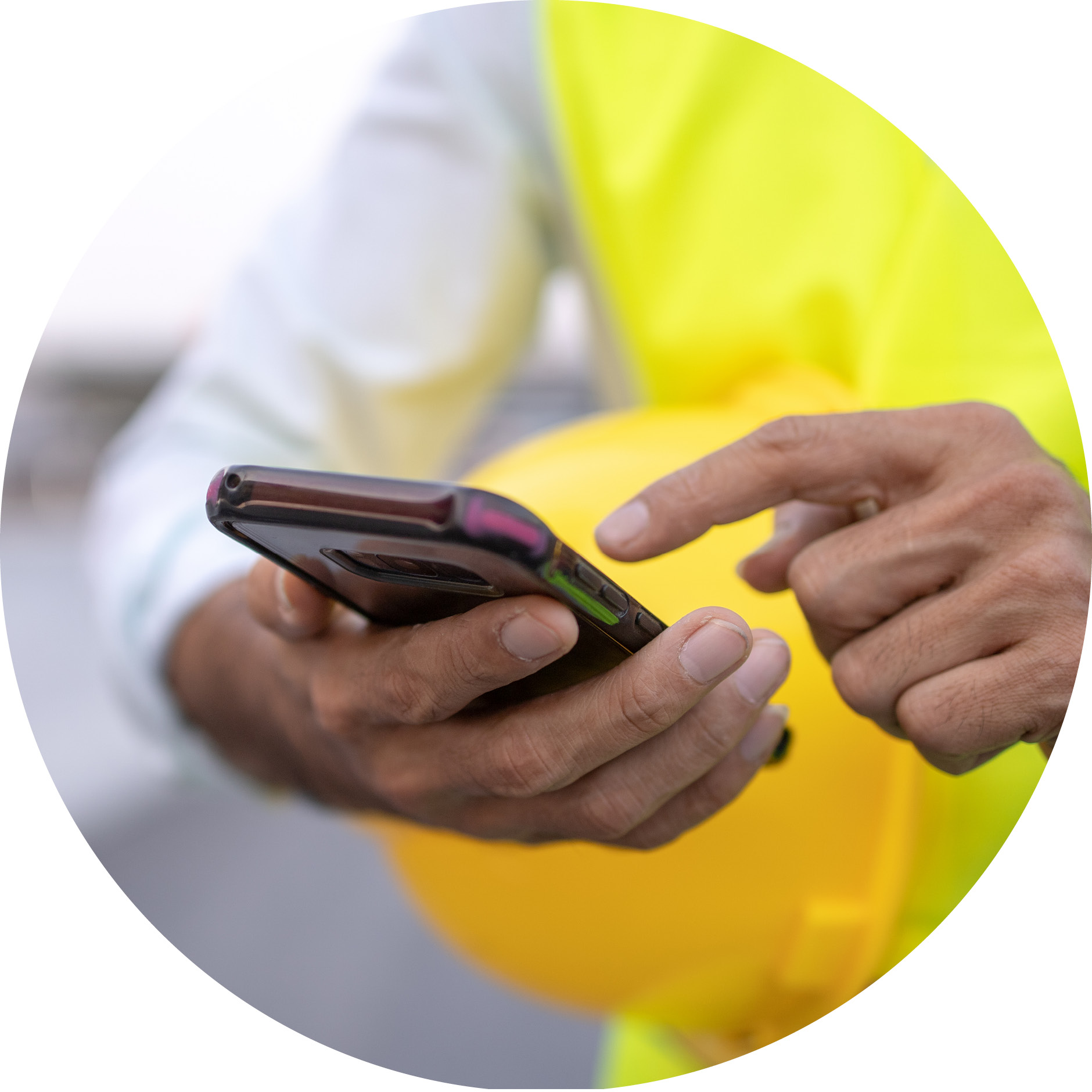
Mobile or cell phones offer a fraction of the functionalities of a telematics system. They may be useful for messaging between machine operators and fleet managers. But they do not show the bigger picture. They don’t give business owners and fleet managers the actionable insights they need to improve safety and efficiency.
Telematik schon.
3. Ist Telematik nicht ein bisschen so, als würde Big Brother meine Maschinenbediener überwachen? Werden meine Bediener das nicht ablehnen?
A telematics solution is a business tool which works to the benefit of business owners, but also to the benefit of machine operators. Telematics helps drivers and operators by making their workplace safer and more productive. It helps them communicate more effectively with management, with operators more easily and instantly being able to send notifications of issues with the fleet to fleet managers.
Features such as proximity warning, safety checklists, and access control reduce incidents so operators are safer in their work. It also introduces equity into the workplace, with all machines and all operators monitored fairly. This can be beneficial to operators on annual reviews.
It’s important for business owners and fleet managers to explain the benefits of telematics to their operators. If it’s communicated clearly, operators will understand the reasons behind implementation and support its utilisation. Fleet managers often use telematics to establish award programmes for their best operators. This might take the form of a simple gift card awarded each quarter. Operators can see through statistics how they are performing alongside their colleagues, not only fostering friendly competition amongst peers, but helping to make operators part of the plan for improvement.
Telematiklösungen bieten Ihnen wertvolle geschäftliche Einblicke, unabhängig davon, ob Sie ein einzelnes Fahrzeug oder eine Flotte mit Tausenden von Fahrzeugen besitzen.
Unabhängig von der Größe Ihrer Flotte hilft Ihnen moderne intelligente Telematik dabei, die aktuellen Anforderungen Ihres Unternehmens zu erfüllen und auf die Herausforderungen von morgen zu reagieren.
5. Hat Telematik Auswirkungen auf die Garantie der Maschine?
It does. In a positive way. If you overuse your machines, or don’t use them correctly, or fail to follow up on maintenance, you might lose your warranty. The telematics solutions alert you when one of the above situations occurs. This enables you to intervene and make sure that there are no issues with warranty of the machine.
6. Wird die Telematik-Hardware die Batterie der Maschine entladen?
The telematics device is connected to the battery of the machine so it can measure its voltage. The telematics device does use the battery to charge itself, but it uses very little energy. There is never a draining or discharging of your machinery’s battery. The technology uses various techniques, such as Sleep Mode, to optimise usage of the battery and to protect it.

7. Wem gehören die generierten Telematikdaten?
There is a generally accepted rule that the owner of the machinery owns the data. The telematics provider does not have the right to share the data. But in the absence of a legal framework related to data ownership, it is recommended that you make specific arrangements. A well-defined contract between the telematics provider and you as machine owner will offer clarity on data issues. Telematics generates personal machine data as well as non-personal machine data. So include agreements about the right to reclaim data and how you will comply with GDPR guidelines.
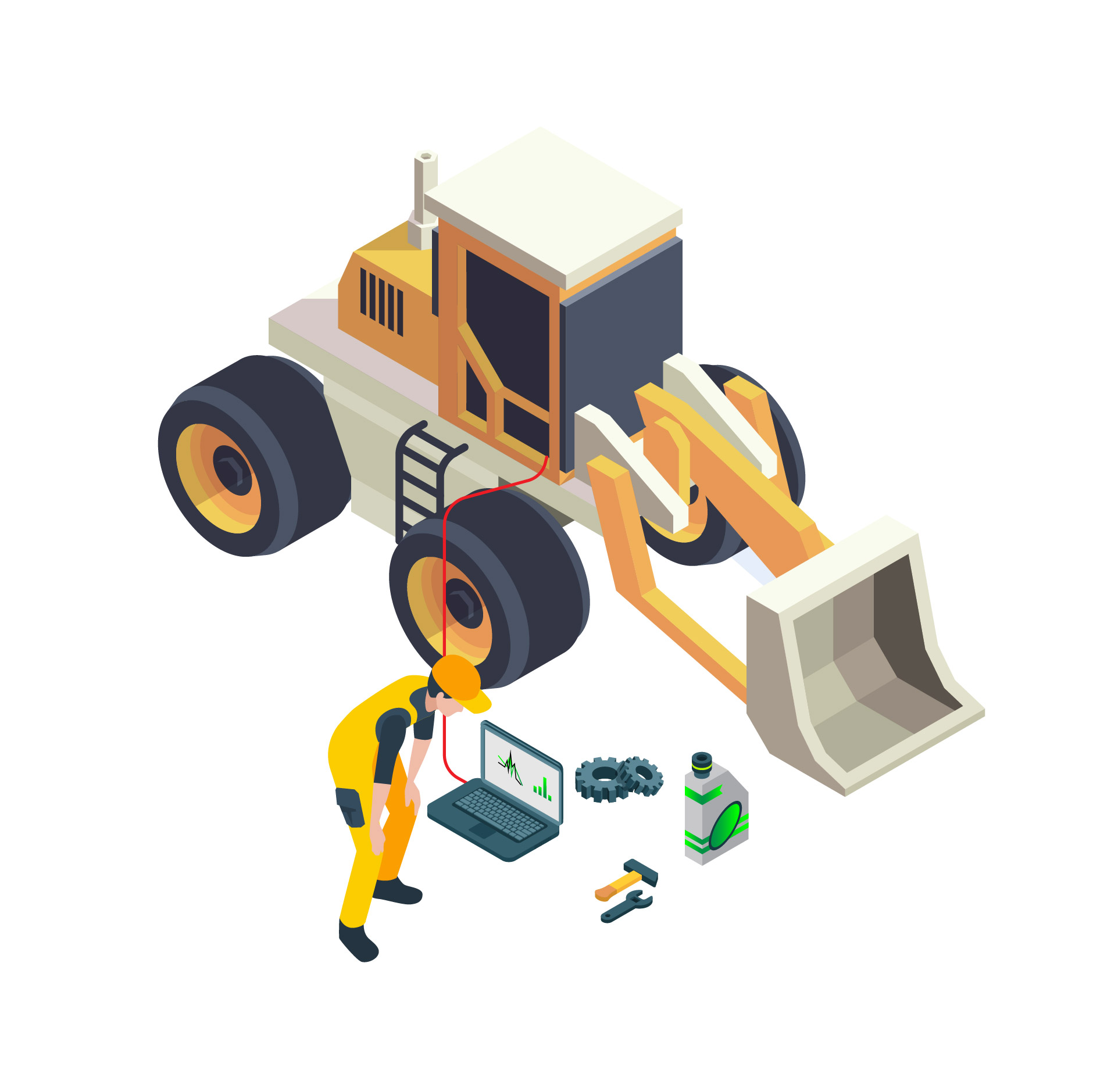
CAN stands for Controller Area Network. It’s a specialised internal communication network that interconnects components inside of machines. The CAN allows the exchange of messages without conflicts in a short time-frame. You can access this network of information through CAN ports. Connecting the telematics device to the CAN ports of your machine enables you to read specific data. Think about your car. When your car mechanic connects his laptop with the car engine CAN port, he can read what’s happening inside your engine in real-time.


